
Constant
Constant is an indicator that sets a fixed numerical value within flexible strategy conditions. It is used alongside other indicators to compare their current values against a specific number — a level, threshold, or target price.
How It Works
Section titled “How It Works”- You set a numerical value in the indicator settings.
- When the condition is evaluated, the bot compares the current value of the selected indicator against this number.
- If the comparison is true — the condition is met and the bot executes the corresponding action.
Logic example: RSI (current value, e.g. 72) > Constant (70) → condition met → action triggered
Configurable Parameters
Section titled “Configurable Parameters”The Constant indicator has only one configurable parameter:
- Value — any number that will be used in the condition.
Where It Is Used
Section titled “Where It Is Used”Constant is most commonly used with indicators that have well-known numerical levels:
| Indicator | Typical values |
|---|---|
| RSI | 30 (oversold), 70 (overbought) |
| RVI | 50 (zero line) |
| Stochastic | 20 (oversold), 80 (overbought) |
| CCI | −100, +100 (normal range boundaries) |
| Volume | Any volume amount in base currency |
Usage Examples
Section titled “Usage Examples”RSI — trading overbought and oversold levels
Section titled “RSI — trading overbought and oversold levels”RSI(14) > Constant(70) → sell signal (overbought)RSI(14) < Constant(30) → buy signal (oversold)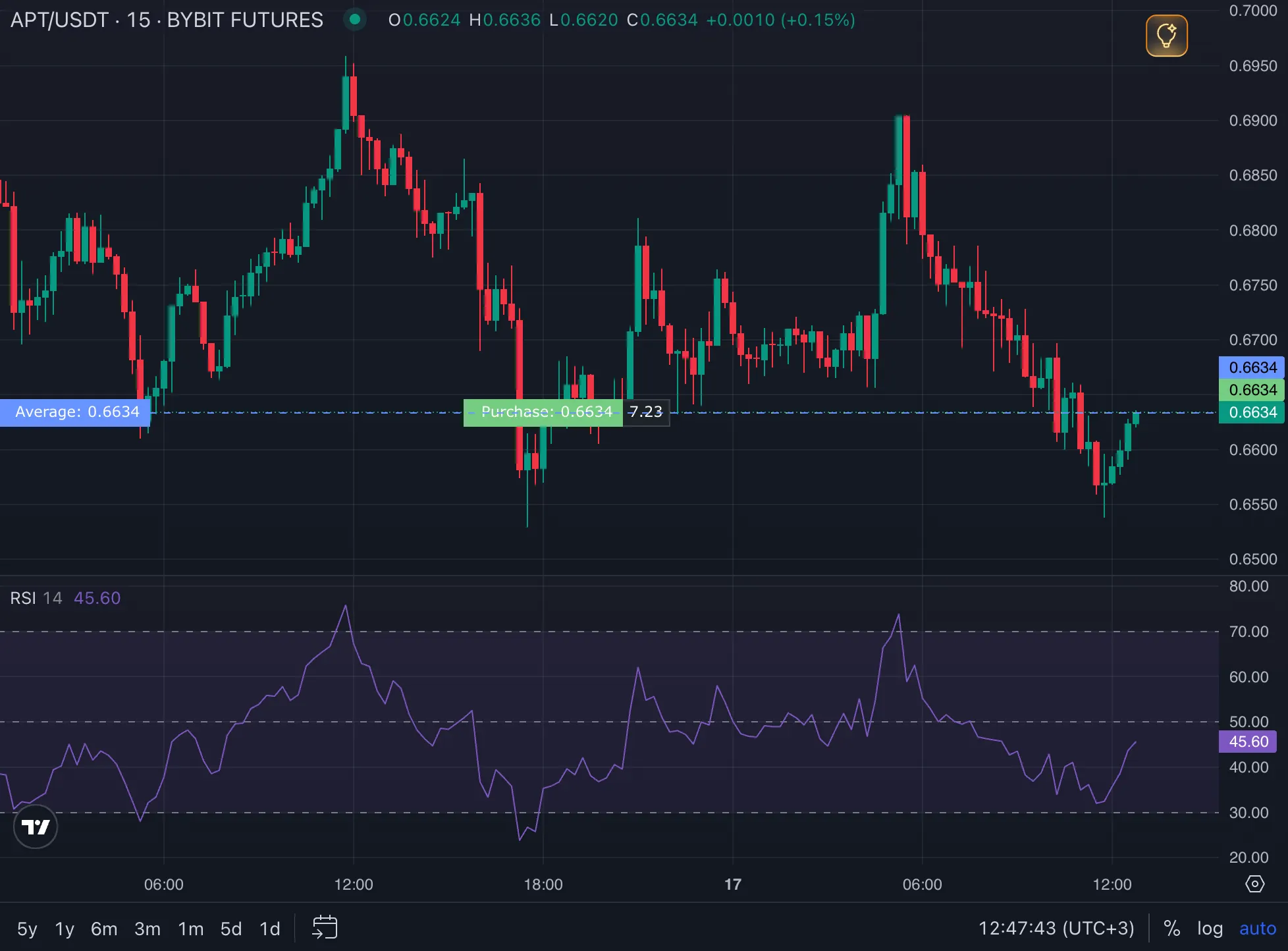
RVI — zero line crossover
Section titled “RVI — zero line crossover”RVI(10) > Constant(50) → bullish momentumVolume — minimum volume filter
Section titled “Volume — minimum volume filter”Exclude signals during low market activity:
Candle (Volume) > Constant(1000) → sufficient volume for entryImpact on Strategy
Section titled “Impact on Strategy”Constant is the simplest way to define a numerical threshold without any additional calculations. It makes strategy conditions transparent and easy to read — the comparison value is always explicit and visible.
Properly chosen Constant values significantly affect signal frequency and entry quality. Levels that are too wide produce many false signals; levels that are too narrow miss real market moves.
Summary
Section titled “Summary”Constant is the right tool for these scenarios:
- Oscillators with fixed levels — RSI, Stochastic, CCI, RVI
- Volume threshold filters — only entering when market activity is sufficient
- Price levels — for example, entering when a target price is reached
- Multi-condition strategies — combining multiple Constants for different indicators
Use Constant whenever you need to compare an indicator’s value against a specific number — it is faster and more readable than creating a placeholder indicator.